
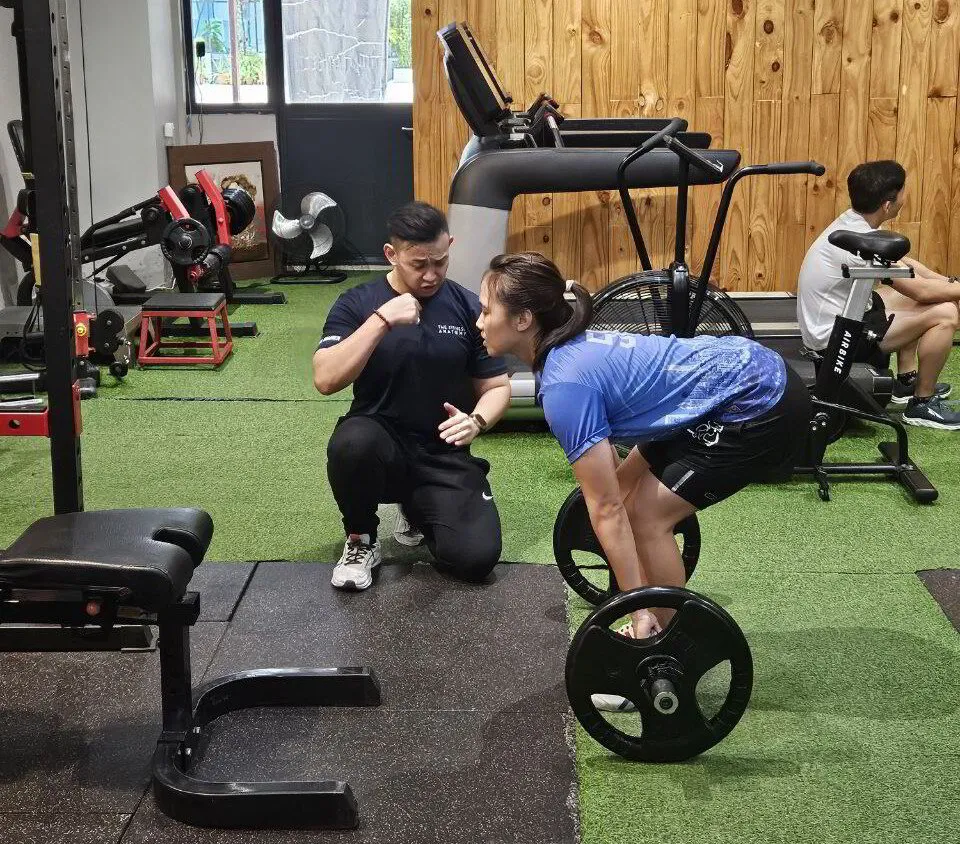

Why Fitness Plateaus Happen
Every fitness journey begins with excitement. The first few months often bring rapid improvements in strength, endurance, or weight loss. Then progress slows down or stalls. This is known as a plateau, and it is one of the most frustrating experiences for gym-goers. Plateaus happen when the body adapts to routine exercise, making it harder to see changes. For those training alone, it is difficult to know how to push past this barrier. Working with a personal gym trainer Singapore provides the expertise needed to break through plateaus using advanced techniques and structured programming.
The Science Behind Adaptation
The human body is designed to adapt to stress. When a new workout begins, the muscles, heart, and nervous system respond quickly to the new challenge. Over time, the same routine no longer feels challenging, and progress slows. This is not failure but rather a sign that the body needs new stimuli. Trainers understand this science and use proven strategies to reintroduce challenge and growth.
The Role of Progressive Overload
One of the key principles of overcoming plateaus is progressive overload. This means gradually increasing the demands placed on the body.
Trainers apply progressive overload in different ways, including:
-
Increasing weights lifted
-
Adding more sets or repetitions
-
Reducing rest periods to increase intensity
-
Changing exercise tempo for added difficulty
By carefully managing these variables, trainers ensure progress resumes without risking injury.
Introducing Periodisation for Long-Term Growth
Periodisation is an advanced training strategy that cycles different phases of training to prevent stagnation. A trainer may design programmes with phases focused on strength, hypertrophy, endurance, or recovery. For example:
-
Phase 1: Building muscular endurance with higher reps
-
Phase 2: Developing strength with heavier weights and fewer reps
-
Phase 3: Power training with explosive movements
-
Phase 4: Active recovery and mobility focus
This structured variation keeps the body challenged and prevents overtraining.
Using Advanced Training Techniques
Beyond progressive overload, trainers introduce advanced methods that stimulate growth. Some techniques include:
-
Supersets: Pairing exercises to maximise efficiency and intensity
-
Drop sets: Reducing weight immediately after reaching fatigue to extend training
-
Tempo variations: Slowing down repetitions to increase muscle time under tension
-
Unilateral training: Single-arm or single-leg work to correct imbalances
-
Functional conditioning: Combining strength and cardio in dynamic circuits
These methods are challenging to apply without expertise, but under supervision, they deliver remarkable results.
The Importance of Recovery
Plateaus are not always caused by undertraining. Sometimes the issue is insufficient recovery. Overtraining leads to fatigue, poor performance, and stalled progress. Trainers address this by incorporating recovery strategies such as:
-
Planned rest days
-
Active recovery sessions like stretching or mobility work
-
Proper sleep hygiene education
-
Nutrition guidance to support muscle repair
By balancing training and recovery, trainers ensure consistent improvement without burnout.
Nutrition Adjustments to Break Plateaus
Training alone cannot overcome plateaus. Nutrition plays a major role. Trainers often recommend adjustments such as:
-
Increasing protein intake for muscle repair
-
Managing calorie intake to match new goals
-
Adjusting carbohydrate consumption for energy needs
-
Encouraging hydration to support recovery
These changes, combined with structured training, provide the foundation to restart progress.
Mindset and Motivation During Plateaus
Plateaus can be discouraging. Many people give up during this phase, believing they have reached their limit. A trainer provides perspective and motivation. They remind clients that plateaus are natural and temporary, offering encouragement to stay consistent while applying new strategies. This mental support is often as valuable as the physical guidance.
The Role of Data and Tracking
Breaking plateaus requires understanding what has been done before. Trainers keep detailed records of weights, sets, repetitions, and performance trends. By reviewing progress, they identify where changes are needed. Modern trainers in Singapore also use apps and wearables to track sleep, heart rate, and calorie expenditure, giving a complete view of the client’s progress.
How True Fitness Supports Advanced Training
Advanced techniques require both expertise and the right environment. True Fitness provides access to experienced trainers and high-quality equipment that supports progressive and varied training. Its professional setting ensures that clients can push past plateaus with confidence, knowing that each session is structured for safety and effectiveness.
Long-Term Benefits of Breaking Plateaus
Plateaus are not setbacks. They are opportunities to grow. Clients who work with trainers to overcome these phases experience benefits such as:
-
Renewed progress in strength and endurance
-
Greater variety in workouts, preventing boredom
-
Enhanced understanding of how the body responds to training
-
A stronger mindset for future challenges
-
Sustainable long-term fitness habits
These outcomes not only restart progress but also set the foundation for continued success.
FAQs About Overcoming Fitness Plateaus with a Personal Gym Trainer
Q1: How do I know if I have hit a plateau?
A plateau is usually identified when progress stops for several weeks despite consistent training and nutrition. This may mean no changes in strength, endurance, or body composition.
Q2: Can plateaus happen to beginners?
Yes. Beginners often see rapid progress at first but may hit a plateau within months. Trainers help adjust routines to maintain steady improvement.
Q3: How long does it take to break through a plateau?
With proper adjustments, progress can often be reignited within a few weeks. However, the timeframe depends on factors such as recovery, nutrition, and consistency.
Q4: Are plateaus a sign that my body has reached its limit?
No. Plateaus simply mean the body has adapted. With new strategies, almost everyone can continue to progress.
Q5: Do I need advanced equipment to overcome a plateau?
Not necessarily. Trainers can adjust existing routines with new methods like tempo training, supersets, or bodyweight variations.
Q6: Why is True Fitness recommended for breaking plateaus?
True Fitness combines professional trainers, structured programming, and advanced facilities. It ensures clients receive expert guidance and a supportive environment to move beyond plateaus.

Comments are closed.