
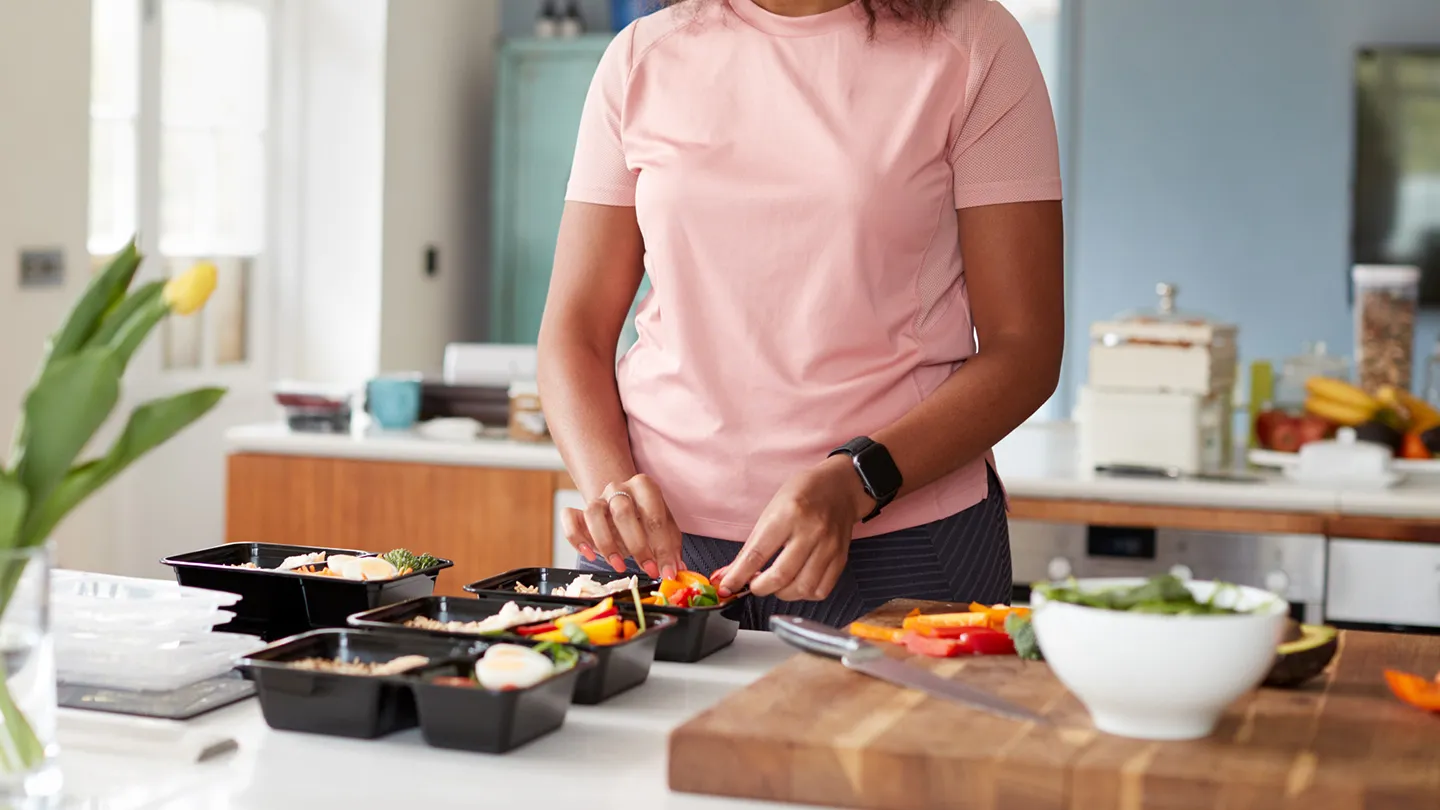

When it comes to shedding extra pounds, many people find themselves caught in a cycle of dieting, frustration, and giving up. What truly makes a difference is building a sustainable approach that fits into your daily routine. That is why focusing on smart eating habits and structured meal prep can transform the way you lose weight. A resource like Your Ultimate Guide to Weight Loss offers practical insights that show you how to combine delicious food with long-term results.
Why Meal Prep Is a Game Changer
Meal preparation allows you to plan ahead, avoid last-minute unhealthy choices, and control your calorie intake without stress. Instead of relying on fast food or packaged snacks, you create balanced meals that support fat loss. Prepping ahead also helps regulate portion sizes, which is one of the most overlooked aspects of effective dieting.
Benefits of Meal Prep for Weight Loss
-
Consistency: You stick to your nutrition plan without depending on willpower alone.
-
Portion Control: Meals are pre-portioned, which reduces overeating.
-
Time Savings: Cooking in batches gives you more free time during the week.
-
Nutrient Balance: You can plan proteins, carbs, and fats in the right ratios.
-
Cost Efficiency: Buying ingredients in bulk and using them wisely saves money.
The Role of Lean Protein in Fat Loss
Protein is the cornerstone of effective weight management. It not only supports muscle repair but also keeps you full for longer. By including protein in every meal, you naturally reduce cravings and stabilize blood sugar levels. Foods like grilled chicken, salmon, eggs, lentils, and tofu are excellent choices.
Many people underestimate how important satiety is in preventing late-night snacking or overeating. By structuring meals around lean protein, you make it easier to maintain a calorie deficit without constant hunger.
Healthy Carbs That Work for You
Carbohydrates are often unfairly blamed for weight gain. The truth is that the type and amount of carbs matter more than avoiding them entirely. Whole grains, oats, brown rice, quinoa, and sweet potatoes are nutrient-dense carbs that provide energy for workouts and daily activities.
The key is to pair carbs with protein and fiber so that they digest slowly, keeping you satisfied. Avoiding highly processed carbs that spike blood sugar will help you maintain steady energy levels throughout the day.
The Power of Healthy Fats
Healthy fats are crucial for hormone regulation and overall wellness. Avocados, olive oil, nuts, and fatty fish deliver essential nutrients while promoting satiety. When used in moderation, they prevent you from feeling deprived while on a calorie-conscious plan.
A simple drizzle of olive oil on roasted vegetables or a handful of almonds as a snack can make a big difference in keeping hunger at bay.
How to Structure Effective Weight Loss Meals
An effective meal should combine lean protein, a portion of complex carbs, a variety of vegetables, and a small amount of healthy fat. For example:
-
Breakfast: Egg whites scrambled with spinach and oats topped with berries.
-
Lunch: Grilled salmon, quinoa, and steamed broccoli with olive oil.
-
Dinner: Lean turkey meatballs, brown rice, and roasted zucchini.
-
Snack: Greek yogurt with chia seeds.
This balance not only helps with fat loss but also ensures you feel energized rather than sluggish.
Convenience of Premade Meals for Busy Lifestyles
Not everyone has the time to cook every meal from scratch. This is where premade meal solutions become highly practical. Having access to freshly prepared, portion-controlled meals removes the guesswork from dieting. It allows you to stay consistent even on busy workdays, travel, or family commitments.
This approach ensures you never have to compromise your goals just because life gets hectic.
Common Mistakes That Slow Down Weight Loss
Even with the best intentions, some habits can derail your progress. Avoid these pitfalls:
-
Skipping Meals: This often leads to overeating later in the day.
-
Ignoring Hydration: Dehydration can be mistaken for hunger.
-
Overeating Healthy Foods: Nuts and avocados are nutritious but still calorie-dense.
-
Relying on Liquid Calories: Sugary drinks and fancy coffees can add hundreds of unnoticed calories.
-
Unrealistic Restrictions: Cutting out entire food groups usually leads to rebound eating.
Correcting these small but powerful habits can accelerate your results without added stress.
The Importance of Portion Awareness
Even healthy foods can cause weight gain if eaten in excess. One way to control portions is by using the plate method: fill half your plate with vegetables, one-quarter with lean protein, and one-quarter with complex carbs.
Another strategy is pre-portioning snacks instead of eating directly from large bags. These small adjustments ensure you stay within your daily calorie goals.
Exercise as a Complement to Meal Prep
While nutrition is the foundation of weight loss, exercise helps accelerate fat burning and preserves lean muscle mass. Combining strength training with cardiovascular exercise maximizes results. Think of food as fuel for your workouts, and workouts as a way to amplify the benefits of smart eating.
For example, pairing a strength session with a protein-rich post-workout meal helps your body recover and build lean muscle, which increases your metabolism.
Building Habits That Stick
Sustainable weight loss comes down to habit formation. Start with small, manageable changes and build from there. Instead of overhauling your entire diet in one day, begin by prepping three lunches for the week. As it becomes routine, expand to include breakfast and dinner.
Progress, not perfection, should be the focus. Over time, these habits form the foundation of a healthier lifestyle.
Real-Life FAQ
Q. Can I still enjoy my favorite foods while following a meal prep plan?
Yes. The goal is balance, not deprivation. Incorporate small portions of your favorite foods occasionally so you don’t feel restricted. This prevents binge eating and makes your plan more sustainable.
Q. How many meals should I prep each week to see results?
Start with three to four meals per week. As you get comfortable, increase the frequency until most of your meals are prepped. Consistency is more important than quantity at the beginning.
Q. Do I need supplements for weight loss if I am meal prepping?
Not necessarily. Whole foods can provide all the nutrients you need. However, if your diet is lacking in certain areas, a multivitamin or protein supplement may be beneficial after consulting with a professional.
Q. How do I prevent boredom with meal prep?
Rotate your protein sources, experiment with new vegetables, and use different spices or marinades. Variety keeps meals enjoyable while still supporting weight loss.
Q. Is weight loss meal delivery a good option for beginners?
Absolutely. Many beginners find it easier to start with premade meals to understand proper portion sizes and balanced nutrition. Once comfortable, they can transition into preparing meals at home.

Comments are closed.