
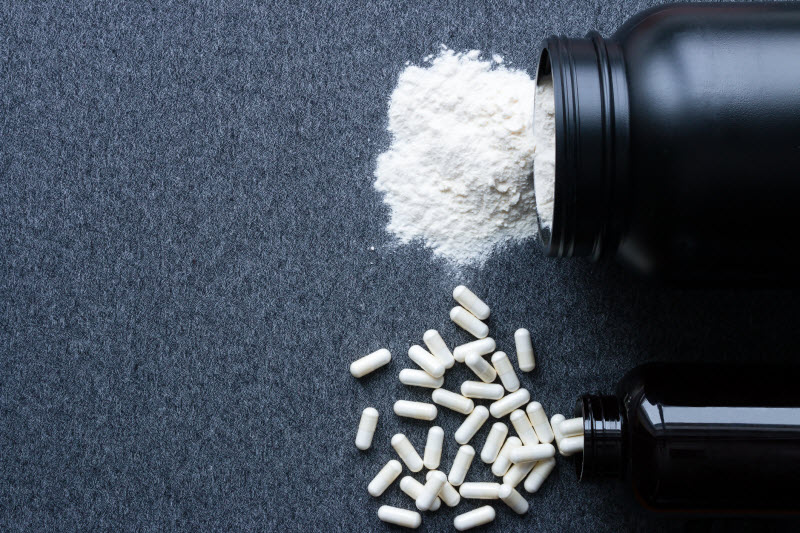

The modern fitness industry places a massive emphasis on optimizing performance. Whether you are a competitive athlete or a recreational gymgoer, the desire to push harder, lift heavier, and sustain energy through grueling workouts is universal. This demand has led to the exponential growth of the pre-workout supplement market. Promised as a quick pathway to explosive energy, heightened focus, and enhanced muscle pumps, these powdered formulas have become a staple in fitness routines globally.
However, behind the flashy labels and promises of instantaneous physical breakthroughs lies a complex clinical reality. Pre-workout supplements are highly concentrated mixtures of potent stimulants, amino acids, and synthetic compounds. Because the dietary supplement industry operates under completely different regulatory frameworks than pharmaceutical drugs, the responsibility of ensuring safety falls entirely on the individual consumer. Understanding what you are pouring into your shaker cup is essential for protecting your cardiovascular system, metabolic health, and long-term well-being.
The Regulatory Gap in the Supplement Industry
A widespread misconception among consumers is that if a product is sold openly on a retail shelf, it must have been thoroughly vetted for safety and efficacy by government authorities. In the United States, dietary supplements are regulated under the Dietary Supplement Health and Education Act of 1994. Under this law, manufacturers are not required to prove a product is safe or effective before it hits the commercial market.
The Food and Drug Administration only takes action after a product is already circulating publicly, typically intervening when significant numbers of adverse event reports surface, indicating that a supplement is contaminated, mislabeled, or causing physical harm. This retroactive oversight creates a landscape where untested combinations of stimulants can be legally sold to unsuspecting consumers.
Deconstructing the Common Ingredients
To safely navigate pre-workout formulas, you must learn to identify the active chemical components listed on the nutritional label. Most formulas rely on a core group of ingredients to produce their physiological effects.
Ultra-High Doses of Caffeine
Caffeine is the primary engine behind the vast majority of pre-workout powders. While a standard eight-ounce cup of coffee contains approximately ninety-five milligrams of caffeine, a single scoop of a concentrated pre-workout can contain anywhere from two hundred to over four hundred milligrams. Consuming this volume of caffeine in a single serving is equivalent to drinking four cups of coffee simultaneously.
This massive surge blocks adenosine receptors in the brain, forcing an artificial spike in alertness. Concurrently, it triggers a massive release of adrenaline, causing your blood vessels to constrict and your heart rate to accelerate rapidly. For individuals with underlying, undiagnosed cardiac vulnerabilities, this sudden cardiovascular stress can precipitate severe arrhythmias or dangerous blood pressure spikes.
Beta-Alanine and the Tingling Sensation
Beta-alanine is a non-essential amino acid included to help buffer lactic acid accumulation within working muscular tissues, thereby delaying the onset of physical fatigue. While it is a scientifically validated ergogenic aid, it is famously responsible for a phenomenon known as acute paresthesia. Within fifteen minutes of ingestion, you may experience an intense tingling, pricking, or itching sensation on your face, neck, and the backs of your hands. While paresthesia is biologically harmless, it can be highly distressing if you are unexpected of it, and large doses can cause temporary gastrointestinal discomfort.
Nitric Oxide Boosters: L-Arginine and L-Citrulline
Ingredients like L-arginine and L-citrulline malate are included to promote vasodilation, which is the widening of blood vessels. These compounds convert into nitric oxide within the vascular system, increasing blood flow to active muscles and creating the physical sensation known as a pump. While generally safe for healthy individuals, powerful vasodilators can cause dramatic, sudden drops in blood pressure, leading to unexpected bouts of lightheadedness, dizziness, or fainting, especially when transitioning rapidly from a lying to a standing position during heavy lifting.
The Hidden Danger of Proprietary Blends
One of the most concerning labeling practices in the supplement industry is the use of proprietary blends. When a manufacturer utilizes this strategy, they list a group of ingredients under a collective name, such as an energy matrix or a performance blend, and provide only the total combined weight of the entire mixture.
This mechanism hides the exact dosages of individual ingredients. You might see caffeine, tyrosine, and exotic herbal extracts listed together, but you have no way of knowing whether you are consuming a safe amount of an ingredient or a toxic overdose. Proprietary blends allow companies to under-dose expensive, effective ingredients while padding the formula with cheap, dangerous amounts of basic stimulants. As a rule of safety, avoid any supplement that refuses to transparently detail the precise milligram breakdown of every single ingredient on the panel.
The Physical Risk of Dry Scooping
In recent years, a highly dangerous trend known as dry scooping has gained immense popularity across social media platforms. This practice involves consuming the dry, undiluted pre-workout powder directly into the mouth and swallowing it immediately, rather than mixing it thoroughly with the recommended eight to sixteen ounces of water.
Dry scooping introduces severe physiological risks:
-
Accidental Aspiration: Inhaling the fine, dry powder into the lungs can cause immediate respiratory distress, induce severe coughing fits, trigger acute asthma attacks, or lead to chemical pneumonia.
-
Acute Circulatory Shock: Flooding the digestive system with an undiluted, highly concentrated bolus of stimulants causes a rapid, unchecked absorption rate. This sudden surge slams the cardiovascular system, causing dangerous heart rate spikes and profound arterial pressure shifts.
-
Gastrointestinal Tract Irritation: The highly concentrated acids and artificial flavorings can irritate the sensitive mucous membranes lining the esophagus and stomach, leading to acute acid reflux, severe nausea, and cramping.
Establishing a Responsible Supplement Strategy
If you choose to incorporate a pre-workout supplement into your training routine, you must approach it with strict parameters to minimize physical vulnerability.
Assess Your Baseline Tolerance
Never consume a full serving of a new pre-workout formula on your first attempt. Begin by taking a half scoop or even a quarter scoop to observe how your body reacts to the stimulant load. Pay close attention to your heart rate, blood pressure, and digestive comfort before increasing the amount.
Implement Regular Cycling Protocols
The human brain adapts rapidly to regular stimulant intake. Over time, your adenosine receptors become desensitized to caffeine, requiring you to consume progressively larger doses to achieve the same perception of energy. This progression can easily overload your central nervous system. To prevent this dependency, cycle off your pre-workout every four to six weeks. Transition to a stimulant-free formula or rely entirely on natural nutrition for at least two weeks to allow your receptors to reset completely.
Ensure Third-Party Verification
Because of the risk of cross-contamination with unlisted substances or illegal stimulants during manufacturing, always choose products that carry independent, third-party testing certifications. Look for logos from organizations like Informed-Choice, NSF International, or the US Pharmacopeia. These certifications ensure that the product has been verified free of banned athletic substances and dangerous chemical contaminants.
Frequently Asked Questions
What is the difference between a stimulant-based pre-workout and a stimulant-free pre-workout?
Stimulant-based pre-workouts rely heavily on central nervous system activators like caffeine, yohimbine, or synephrine to force alertness and mask fatigue. Stimulant-free pre-workouts completely omit these compounds, relying instead on non-stimulatory ingredients like L-citrulline, beta-alanine, and cellular energy precursors like creatine to enhance blood flow and muscular stamina without elevating the heart rate or disrupting sleep architecture.
How long before a workout session should I consume a pre-workout supplement?
For optimal efficacy, pre-workout supplements should be consumed approximately twenty to thirty minutes before you begin your physical training. This window gives the digestive system ample time to break down the powder, absorb the amino acids into the bloodstream, and allow caffeine concentrations to approach their peak levels within the brain.
Can regular use of pre-workout powders lead to kidney or liver damage?
In healthy individuals who strictly follow the recommended dosage instructions, pre-workout supplements are unlikely to cause acute kidney or liver injury. However, consuming chronic overdoses, combining multiple stimulant products, or using formulas contaminated with heavy metals or unlisted synthetic compounds can overtax the liver’s detoxification pathways and place excessive stress on the kidneys’ filtration mechanisms.
Why does my stomach hurt or feel bloated after taking a pre-workout?
Gastrointestinal distress is frequently caused by high concentrations of specific ingredients like magnesium, sodium bicarbonate, or high doses of creatine drawing large volumes of water rapidly into the intestinal tract through osmosis. Additionally, the excessive use of artificial sweeteners, synthetic dyes, and heavy flavor flavorings can intensely irritate the stomach lining, especially when consumed on an empty stomach.
Does taking pre-workout supplements increase the long-term risk of developing insomnia?
Yes, it can significantly disrupt sleep architecture if consumed late in the day. Caffeine has a prolonged metabolic half-life that can extend up to six hours or more. If you consume a high-stimulant pre-workout for an evening training session, a massive volume of caffeine will still be actively circulating in your bloodstream at bedtime, preventing the brain from entering deep, restorative rapid eye movement sleep cycles.
Is it safe to combine a pre-workout supplement with a morning cup of coffee?
Combining a pre-workout powder with other caffeinated items like coffee, energy drinks, or fat-burner pills is highly dangerous. Doing so stacks the stimulant dosages, easily pushing your cumulative daily caffeine intake into a toxic zone. This compounded effect can lead to severe muscle tremors, intense panic attacks, dangerous cardiac palpitations, and hypertensive crises.

Comments are closed.