
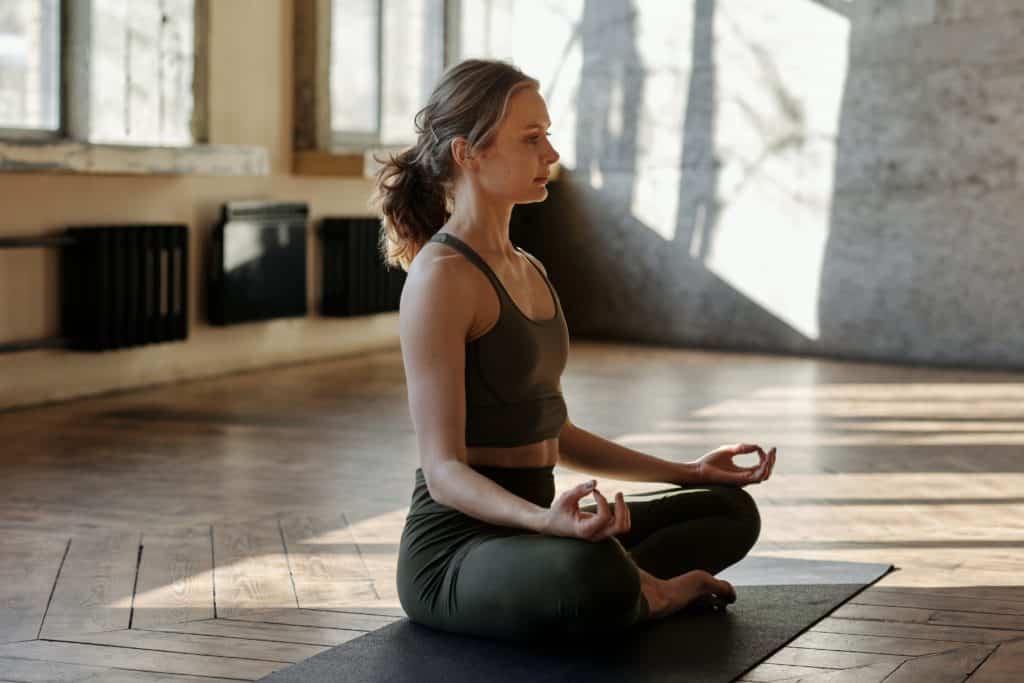

Introduction: The Essence of Meditation in Modern Life
In an age marked by relentless pace, information overload, and constant distraction, the ancient practice of meditation offers a refuge of calm and clarity. Far beyond a mere relaxation technique, meditation is a profound journey inward, inviting practitioners to explore the depths of their consciousness, cultivate mindfulness, and reconnect with their true selves. This article delves into the multifaceted nature of meditation, its enduring benefits, diverse techniques, and practical guidance for those seeking to incorporate this transformative practice into their daily routine.
Understanding Meditation: More Than Just Stillness
At its heart, meditation is the deliberate act of focusing the mind, often by directing attention to a specific object, thought, or sensation, with the goal of achieving a heightened state of awareness and emotional calm. It is a practice steeped in spiritual traditions but embraced universally for its mental, emotional, and physical benefits.
Meditation is characterized by:
-
Focused Attention: Concentrating on breath, mantra, visualization, or bodily sensations.
-
Open Awareness: Observing thoughts and feelings without attachment or judgment.
-
Intentional Practice: Regular sessions to cultivate discipline and deepen experience.
By quieting the incessant chatter of the mind, meditation allows one to access a realm of presence, insight, and tranquility.
The Science and Benefits of Meditation
Modern research has validated what spiritual traditions have long asserted: meditation profoundly influences brain function, emotional regulation, and physical health. Its benefits encompass several dimensions:
Mental Clarity and Cognitive Enhancement
-
Improves attention span and concentration.
-
Enhances memory and executive functioning.
-
Promotes neuroplasticity, the brain’s ability to adapt and reorganize.
Emotional Resilience and Stress Reduction
-
Lowers cortisol levels, the body’s primary stress hormone.
-
Reduces anxiety and depressive symptoms.
-
Fosters emotional balance through mindful awareness.
Physical Health and Well-Being
-
Decreases blood pressure and heart rate.
-
Strengthens the immune system.
-
Alleviates chronic pain by altering pain perception.
The cumulative effect of these benefits is a more harmonious, balanced, and vibrant existence.
Diverse Meditation Techniques: Tailoring the Practice to You
Meditation is not a monolith; it offers a rich tapestry of methods suited to varied personalities, goals, and lifestyles. Here are some of the most widely practiced forms:
Mindfulness Meditation
Rooted in Buddhist traditions, mindfulness meditation involves observing thoughts, sensations, and emotions as they arise, without judgment. It cultivates present-moment awareness and acceptance.
Transcendental Meditation
This technique uses the silent repetition of a mantra to transcend ordinary thought and access deeper states of restful alertness.
Loving-Kindness Meditation (Metta)
Focused on cultivating compassion and goodwill toward oneself and others, this practice involves silently repeating phrases of benevolence.
Guided Meditation
Led by an instructor or recording, guided meditation directs attention through visualization, body scans, or calming narratives.
Movement Meditations
Practices like Tai Chi, Qigong, and walking meditation combine mindful movement with breath awareness.
Each method offers unique pathways to stillness and self-discovery, allowing individuals to find their preferred approach.
Integrating Meditation into Daily Life: Practical Strategies
Establishing a consistent meditation routine requires intention, patience, and flexibility. Consider these steps:
Start Small and Build Gradually
-
Begin with short sessions of 5 to 10 minutes.
-
Increase duration as comfort and concentration improve.
Create a Dedicated Space
-
Choose a quiet, comfortable spot free from distractions.
-
Use cushions, chairs, or mats to support posture.
Establish a Regular Schedule
-
Meditate at the same time daily to build habit.
-
Morning sessions can set a calm tone for the day; evening sessions aid relaxation.
Embrace Imperfection
-
Understand that a wandering mind is natural.
-
Gently return focus without self-criticism.
Combine with Breathwork
-
Use deep, slow breathing to anchor attention and calm the nervous system.
Overcoming Common Challenges in Meditation
Even seasoned meditators encounter obstacles. Awareness of these challenges helps maintain perseverance:
-
Restlessness: Redirect focus to the breath or body sensations.
-
Drowsiness: Adjust posture, meditate during alert times, or try walking meditation.
-
Skepticism: Approach with curiosity and open-mindedness.
-
Lack of Time: Integrate micro-meditations into daily tasks.
Patience and self-compassion remain key.
The Broader Impact: Meditation as a Catalyst for Transformation
Beyond individual well-being, meditation has societal implications. It fosters empathy, ethical awareness, and emotional intelligence, qualities essential for harmonious communities. Many organizations and schools incorporate meditation programs to enhance focus, reduce conflict, and promote mental health.
Conclusion: Embracing Meditation as a Lifelong Journey
Meditation is much more than a practice; it is an art and science of living with greater awareness, compassion, and equanimity. In a world rife with chaos, it offers a sanctuary of stillness, a mirror reflecting the depths of our inner landscapes. By embracing meditation—whether through mindful breathing, mantra repetition, or loving-kindness—we embark on a timeless journey toward clarity, peace, and self-realization. The invitation stands open: to sit quietly, breathe deeply, and discover the profound wisdom that lies within.

Comments are closed.