
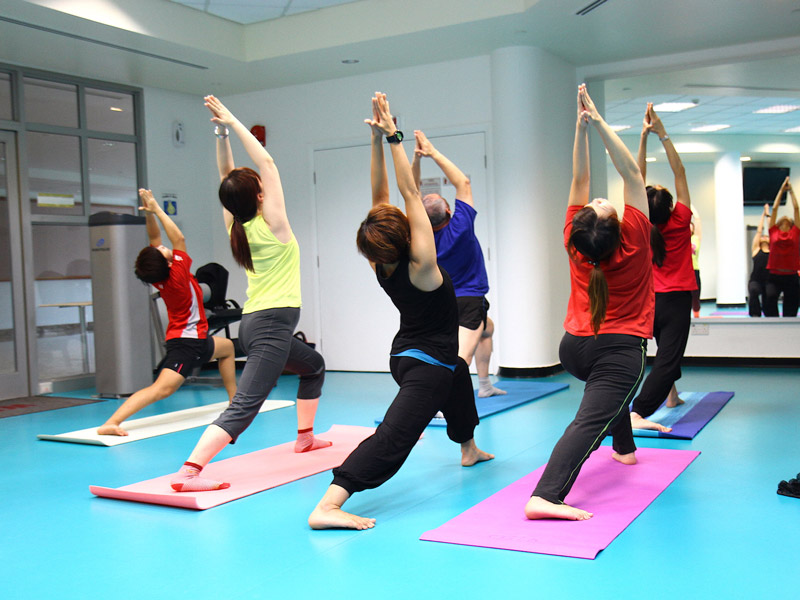

Life in Singapore moves fast. Long working hours, constant digital exposure, crowded commutes, and high performance expectations place sustained pressure on the nervous system. Many professionals feel permanently “switched on”, even outside office hours. Over time, this stress pattern affects sleep, mood, digestion, immunity, and long-term health.
For those searching for a yoga studio near me, the motivation is often deeper than flexibility or fitness. It is about restoring balance to the nervous system in a way that home workouts or occasional stretching cannot achieve.
This article explores how studio-based yoga supports nervous system recovery for urban professionals in Singapore, why the environment matters, and how consistent in-studio practice helps the body relearn calm, focus, and resilience.
Understanding Nervous System Stress in Urban Singapore
The human nervous system is designed to respond to short bursts of stress, not constant stimulation. In Singapore’s urban environment, stress rarely switches off fully.
Common stressors include:
-
Long hours seated at desks with poor posture
-
Continuous notifications and screen exposure
-
High expectations at work and at home
-
Traffic, noise, and crowded public spaces
-
Limited daylight exposure during working hours
Over time, the body adapts by staying in a heightened state of alert. This is often described as sympathetic nervous system dominance. When this state becomes chronic, recovery systems struggle to activate properly.
Why Nervous System Regulation Matters More Than Relaxation
Many people assume stress relief simply means relaxing more. Nervous system regulation goes deeper.
A regulated nervous system allows the body to:
-
Transition smoothly between effort and rest
-
Maintain stable energy levels throughout the day
-
Recover fully during sleep
-
Respond to challenges without overreacting
-
Maintain emotional balance under pressure
Without regulation, even rest feels restless. This is why some professionals lie awake at night feeling tired but unable to sleep deeply.
How Studio-Based Yoga Supports Nervous System Balance
Yoga practised in a studio setting offers conditions that directly support nervous system recalibration.
Predictable Structure and Rhythm
The nervous system responds positively to consistency. Studio classes provide:
-
Regular start and end times
-
Familiar sequences and pacing
-
Repeated exposure to calm cues
This predictability signals safety to the brain, allowing the body to gradually shift out of survival mode.
Guided Breathing and Cueing
Breath is one of the most direct pathways to the nervous system. In studio classes, breathing is:
-
Actively cued and corrected
-
Matched to movement
-
Integrated with pauses and stillness
Over time, the body learns slower breathing patterns even outside class, supporting calm responses during stressful moments at work or home.
Sensory Environment and Regulation
The physical environment of a yoga studio plays a major role in nervous system response.
Studio conditions often include:
-
Controlled lighting that reduces visual strain
-
Calm soundscapes or silence
-
Stable room temperature
-
Minimal external distractions
These factors reduce sensory overload and help the nervous system downshift more effectively than at-home practice, where interruptions are common.
The Difference Between Home Practice and Studio Practice
Home yoga can be beneficial, but it rarely offers the same nervous system benefits as studio practice for busy professionals.
At Home, the Mind Stays in Task Mode
At home, the nervous system remains alert due to:
-
Household responsibilities nearby
-
Notifications and background noise
-
Lack of clear separation between work and recovery
The body does not fully register rest as safe or complete.
In Studios, Recovery Becomes the Primary Task
Stepping into a studio creates a psychological boundary. The nervous system understands that:
-
There are no tasks to manage
-
Attention can turn inward
-
Recovery is the main focus
This mental shift is crucial for true nervous system restoration.
Movement Patterns That Calm the Nervous System
Not all yoga movements affect the nervous system in the same way. Studio instructors intentionally sequence classes to promote regulation.
Slow Transitions and Grounded Poses
Poses that involve:
-
Longer holds
-
Close contact with the floor
-
Controlled transitions
These help the body feel stable and supported.
Spinal Movements and Nerve Health
Gentle spinal movements improve communication between the brain and body.
Benefits include:
-
Reduced muscle guarding
-
Improved posture awareness
-
Better breathing capacity
Over time, these changes support calmer baseline nervous system activity.
Restorative Pauses and Stillness
Moments of stillness during class allow the nervous system to absorb the effects of movement. These pauses are essential for integration, not wasted time.
Stress, Sleep, and Studio Yoga
Sleep issues are common among professionals in Singapore. Poor sleep is often linked to nervous system overactivation rather than physical fatigue.
Studio-based yoga helps by:
-
Reducing evening cortisol levels
-
Encouraging parasympathetic activation
-
Improving breathing patterns during rest
-
Teaching the body how to release tension consciously
Many practitioners report falling asleep faster and waking less during the night after consistent studio practice.
Emotional Regulation and Workplace Resilience
Nervous system health directly affects emotional responses. A regulated system allows professionals to:
-
Respond rather than react
-
Maintain focus under pressure
-
Recover faster after stressful meetings
-
Communicate more clearly and calmly
Over time, this emotional resilience becomes one of the most valuable outcomes of regular yoga practice.
Why Consistency Matters More Than Intensity
For nervous system recovery, consistency is more important than how challenging a class feels.
Studio yoga supports consistency by:
-
Making sessions easy to schedule
-
Providing accountability through routine
-
Offering guidance that prevents burnout
Short, regular sessions often produce better nervous system outcomes than occasional intense workouts.
Choosing a Studio That Supports Nervous System Health
Not all studios are equally supportive of nervous system regulation. Look for spaces that prioritise mindful pacing, clear instruction, and balanced class structures.
A well-designed studio experience helps practitioners feel safe, supported, and seen, which is essential for long-term recovery.
Later in your wellness journey, you may naturally come across Yoga Edition, which focuses on thoughtful programming and environment design that supports both physical and mental balance for modern urban lifestyles.
Long-Term Benefits of Nervous System Regulation Through Yoga
With consistent studio practice, professionals often notice:
-
Improved stress tolerance
-
Better digestion and appetite regulation
-
Fewer stress-related aches and pains
-
Clearer thinking and decision-making
-
Greater emotional stability
These benefits extend beyond the mat and influence daily life, relationships, and career performance.
FAQs
Q: How long does it take to feel nervous system benefits from studio yoga?
A: Many people notice subtle improvements within two to three weeks of consistent practice, such as better sleep or calmer reactions. Deeper regulation typically develops over several months of regular sessions.
Q: Is studio yoga suitable for people with high stress but low flexibility?
A: Yes. Nervous system regulation does not depend on flexibility. Gentle movements, breathing, and pacing are often more important than physical range of motion.
Q: Can yoga help with work-related anxiety without medication?
A: While yoga is not a replacement for medical care, consistent studio practice can significantly reduce anxiety symptoms by calming the nervous system and improving stress resilience.
Q: Is evening or morning studio practice better for nervous system balance?
A: Both can be beneficial. Morning practice can set a calm tone for the day, while evening practice often supports better sleep. The best option depends on personal schedule and stress patterns.
Q: What if I feel restless during slow yoga classes?
A: Restlessness is common when the nervous system is accustomed to constant stimulation. With regular practice, the body gradually learns to tolerate and benefit from slower, grounding experiences.
Q: Does studio environment really make a difference for stress recovery?
A: Yes. Lighting, sound, temperature, and instructor guidance all influence how safe the nervous system feels. A well-designed studio environment enhances the calming effects of practice significantly.

Comments are closed.