
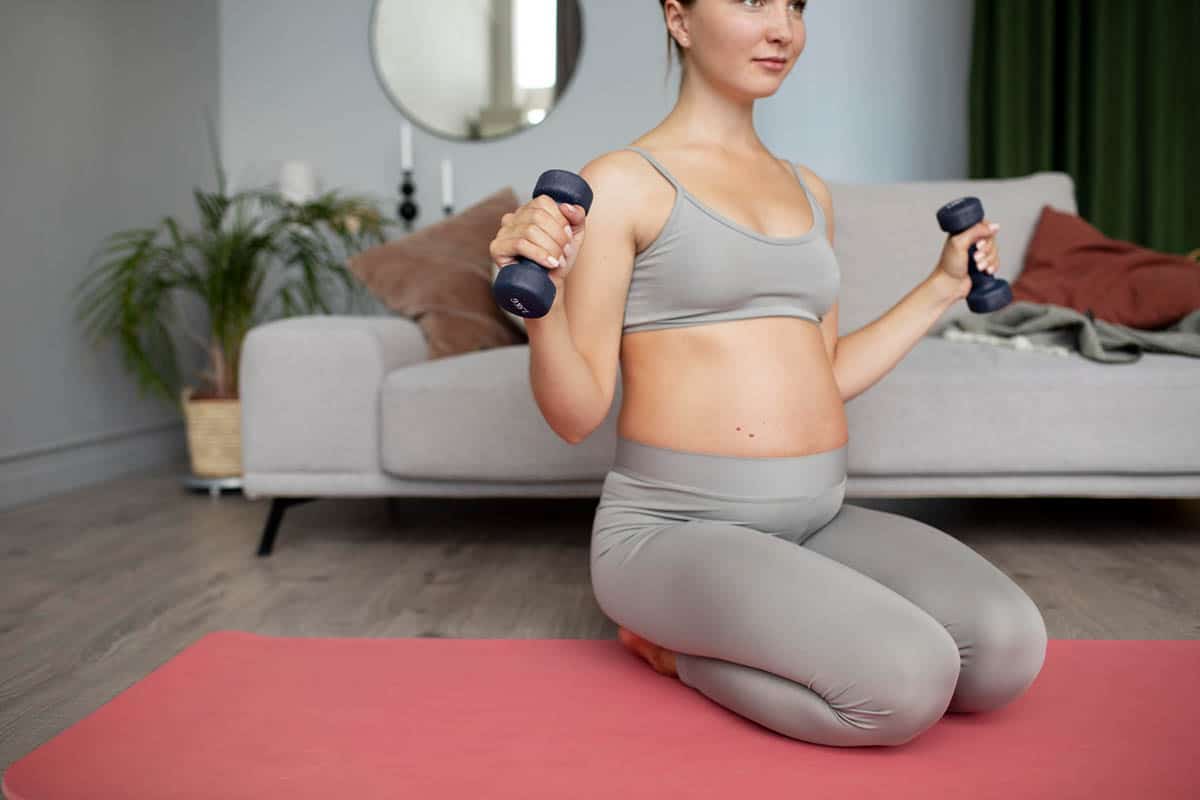

Bringing a new life into the world is a monumental physical, emotional, and psychological achievement. Your body has undergone profound changes over the course of nine months, stretching, shifting, and reallocating its resources to support the growth of your baby. Once the delivery room journey is complete, it is entirely natural to look forward to reclaiming your physical autonomy and returning to a routine that makes you feel strong, energized, and grounded.
However, postpartum fitness requires a completely different mindset than traditional exercise regimens. The goal during the weeks and months following childbirth is not to bounce back or push through the pain. Instead, the focus must shift entirely toward healing, rebuilding fundamental core and pelvic strength, and honoring the immense work your body has performed. Taking a patient, deliberate, and gentle approach to movement protects you from injury and establishes a sustainable foundation for long term health.
The Reality of the Postpartum Body
Before lace up your running shoes or pick up heavy weights, it is vital to understand the internal environment of your body after giving birth. The physiological shifts that happen during pregnancy do not disappear overnight.
-
Hormonal Changes: During pregnancy, your body produces a hormone called relaxin, which softens your ligaments and joints to allow the pelvis to stretch during delivery. Relaxin can remain in your system for several months after giving birth, and even longer if you are breastfeeding. This means your joints are naturally less stable and more susceptible to sprains and strains.
-
The Pelvic Floor: Whether you had a vaginal delivery or a cesarean section, your pelvic floor muscles have carried significant weight for months. A vaginal birth stretches these muscles considerably, while a cesarean section involves major abdominal surgery. Both delivery methods leave the deep core structures weakened and in need of deliberate rehabilitation.
-
Abdominal Separation: A condition known as diastasis recti, where the left and right sides of the outermost abdominal muscles separate to accommodate the growing uterus, occurs in many pregnancies. Jumping directly into traditional abdominal exercises like crunches or planks can worsen this separation and lead to chronic lower back pain.
Securing Medical Clearance and Initial Healing
The standard recommendation for returning to exercise is to wait until your six-week postpartum checkup. However, this timeline is not a universal green light to resume high intensity workouts. It simply signifies that the internal wound left by the placenta has healed and the uterus has contracted back to its near normal size.
Every birth experience is distinct. Women who experienced a long, traumatic labor, extensive tearing, or a cesarean delivery will require a significantly longer recovery window before introducing structured exercise. Listen carefully to your OBGYN, midwife, or a pelvic floor physical therapist. If you feel any internal dragging sensations, pain, or unexpected bleeding when you start moving, your body is signaling that it needs more time to rest.
Stage One: The First Six Weeks of Gentle Movement
During the initial weeks following delivery, exercise should not involve gym equipment or elevated heart rates. The focus is entirely on promoting circulation, encouraging tissue healing, and re-establishing the connection between your brain and your deep stabilization muscles.
Diaphragmatic Breathing
Pregnancy forces your breathing patterns to change because the growing baby pushes upward against your diaphragm. Re-learning how to breathe deeply is the first step in abdominal rehabilitation. Lie on your back with your knees bent. Place one hand on your chest and one hand on your belly. Inhale deeply through your nose, allowing your belly and ribcage to expand fully outward while keeping your chest relatively still. Exhale slowly through your mouth, feeling your belly naturally drop back down.
Gentle Pelvic Floor Activation
Once you can breathe diaphragmatically, you can begin gentle pelvic floor engagements, commonly known as Kegels. As you exhale during your diaphragmatic breathing, gently contract the muscles you would use to stop the flow of urine or prevent passing gas. Think of lifting these muscles upward toward your belly button. Hold the contraction for two to three seconds, then completely relax the muscles on the inhale. The relaxation phase is just as important as the contraction phase to prevent the muscles from becoming chronically tight and dysfunctional.
Short, Leisurely Strolls
Walking is the ultimate low impact cardiovascular exercise for the early postpartum phase. Start with a five to ten minute walk around your living space or down your driveway. If you feel good the following day, you can slowly increase the duration. Walking boosts your mood, improves blood circulation to aid healing, and helps combat the fatigue associated with newborn sleep schedules. Avoid carrying the heavy infant car seat or pushing a heavy stroller up steep inclines during these early outings.
Stage Two: Rebuilding the Core Foundation
Once you have received clearance from your medical provider, you can slowly transition into functional strength movements. Avoid traditional abdominal crunches, sit-ups, and heavy twisting movements, which place excessive outward pressure on an already vulnerable abdominal wall. Instead, focus on exercises that stabilize the spine and hips.
The Glute Bridge
Lying on your back with your knees bent and feet flat on the floor, gently press your lower back into the mat. Squeeze your glutes and lift your hips until your body forms a straight line from your shoulders to your knees. Hold for a moment at the top, then slowly lower your hips back down. This movement strengthens the glutes and hamstrings, which often become weak during pregnancy as the pelvis tilts forward.
The Bird Dog
Begin on your hands and knees with a flat, neutral spine. Keep your gaze directed toward the floor. Slowly extend your right arm forward and your left leg straight back behind you. Focus on keeping your hips perfectly level and your core engaged so your lower back does not arch. Hold for two seconds, return to the starting position, and repeat on the opposite side.
Supported Squats
Stand with your feet shoulder-width apart, using the back of a sturdy chair or a kitchen counter for balance if needed. Lower your hips back and down as if you are sitting in a chair, keeping your chest upright and your weight distributed through your heels. Only lower yourself as far as is comfortable without pain. Press through your heels to return to a standing position, squeezing your glutes at the top.
Navigating Postpartum Fitness While Breastfeeding
If you are nursing or pumping, physical activity requires a few extra practical considerations to ensure your comfort and maintain your milk supply.
-
Invest in Maximum Support: Your breasts will be heavier and more sensitive. Invest in a high quality, supportive sports bra that holds everything securely without compressing the breast tissue too tightly, as excessive compression can cause clogged milk ducts.
-
Time Your Workouts Wisely: Try to exercise right after a feeding or pumping session. This ensures your breasts are empty, making movement far more comfortable and reducing the risk of leaking during physical activity.
-
Prioritize Hydration and Nutrition: Producing breast milk requires an enormous amount of energy and fluid. You need to consume enough water to replace what you sweat out during a workout, alongside the fluids required for lactation. Eat balanced meals containing complex carbohydrates, lean proteins, and healthy fats to fuel both your workouts and your baby.
Frequently Asked Questions
Why do I experience urine leakage when I try to jump or run after giving birth?
Postpartum urinary incontinence is incredibly common and happens because the pelvic floor muscles have been stretched and weakened by pregnancy and delivery. This weakness prevents the muscles from closing the urethra properly during high impact movements. If you experience leakage, it is a sign that your body is not yet ready for high impact activities. Avoid jumping and running, and focus on pelvic floor rehabilitation. If the issue persists past a few months, consider consulting a pelvic floor physical therapist.
How does a cesarean delivery change the timeline for returning to exercise?
A cesarean section is a major abdominal surgery that involves cutting through multiple layers of tissue, including fascia and muscle. Because the structural integrity of the abdominal wall is compromised, the healing timeline is longer than a standard vaginal delivery. You will need to be exceptionally cautious with core exercises. Avoid lifting anything heavier than your baby for the first six to eight weeks, and focus strictly on walking and gentle breathing until your surgeon confirms the deep tissue layers have completely closed.
Can I perform traditional planks if I have diastasis recti?
Full traditional planks are generally not recommended during the early stages of diastasis recti healing. A standard plank places an immense amount of downward pressure on the midline tissue of the abdomen. If your core is not strong enough to support this pressure, you will notice your stomach forming a dome or bread loaf shape along the midline, which can worsen the separation. Start with modified incline planks against a wall or a high counter, and only progress to the floor once you can maintain a flat abdominal wall without doming.
Will working out diminish my breast milk supply or change its taste?
Moderate exercise does not negatively impact the volume or nutritional quality of your breast milk. While intense, maximal exertion exercise can cause a temporary buildup of lactic acid in the milk, which might slightly alter the taste, this rarely causes babies to reject the breast. Staying properly hydrated and consuming enough daily calories to offset your physical activity will keep your milk supply completely stable.
When is it completely safe to return to running and high impact aerobics?
Most pelvic health guidelines suggest waiting at least twelve weeks postpartum before attempting to return to running or high impact sports. Even if you feel energetic, the internal ligaments and joint structures need this time to regain their structural strength. Before running, you should be able to walk briskly for thirty minutes without pain, perform single leg balances, and complete low impact exercises without experiencing any pelvic pressure, lower back pain, or urinary leakage.
How do I safely stretch my body without overstretching my joints right now?
Because the hormone relaxin keeps your ligaments loose for months postpartum, it is easy to accidentally overstretch your joints, which can lead to long term instability. When stretching, focus on moving into a comfortable range of motion where you feel the stretch in the belly of the muscle, rather than pulling hard at the joint itself. Avoid deep, passive yoga poses where you collapse into your flexibility. Instead, focus on active, dynamic stretches where you maintain muscular control throughout the entire movement.

Comments are closed.